
7 hr
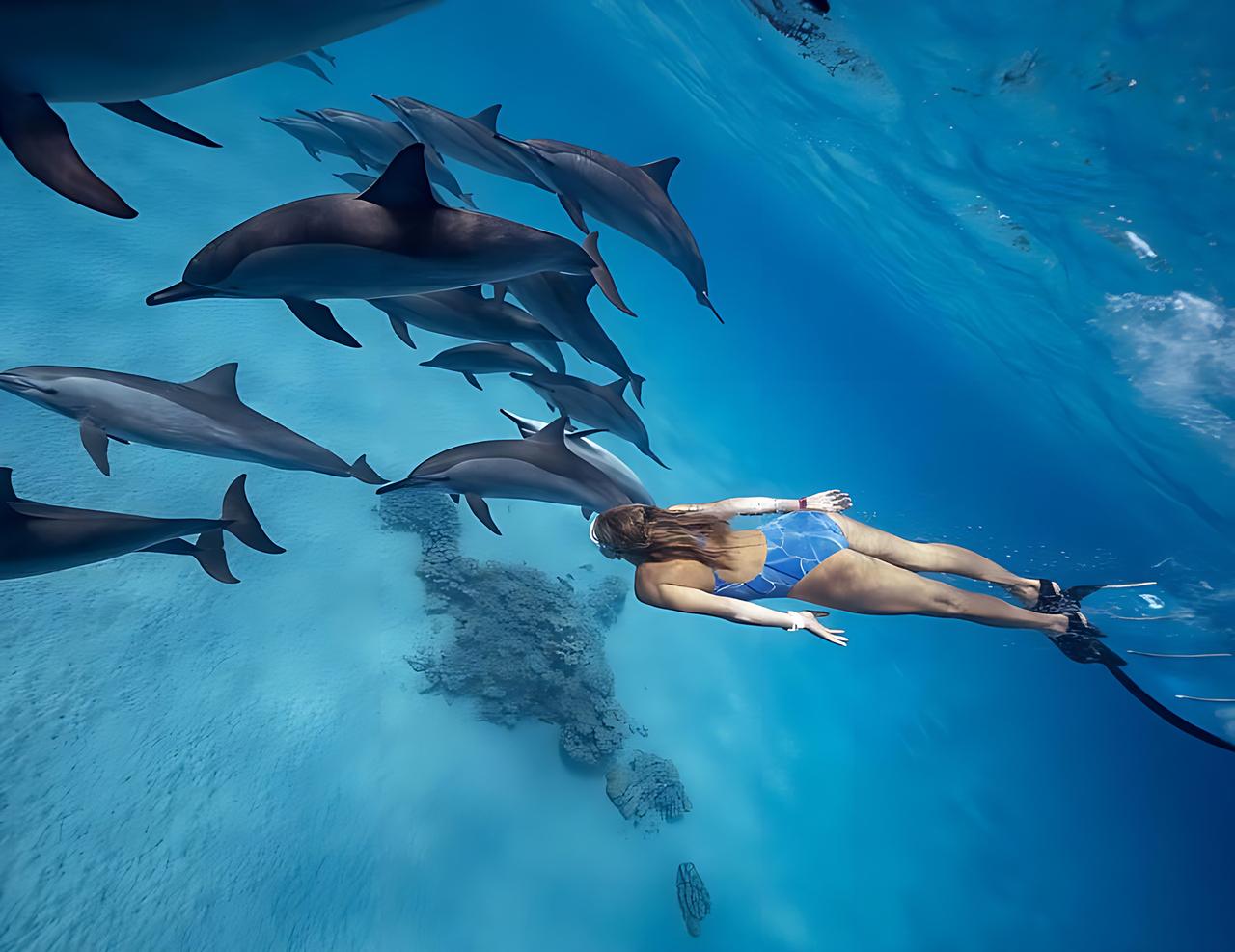
Shaab Samadai Reef Dolphin Encounter
Full-day snorkeling adventure to Egypt's stunning spinner dolphin sanctuary in the Red Sea
Reserve
Hand-picked by our editors — only the best 5 experiences from 12 reviewed.
Verified partners for every tour, free cancellation where available, and instant confirmation on every booking.
7 hr
Full-day snorkeling adventure to Egypt's stunning spinner dolphin sanctuary in the Red Sea
Reserve
8 hr
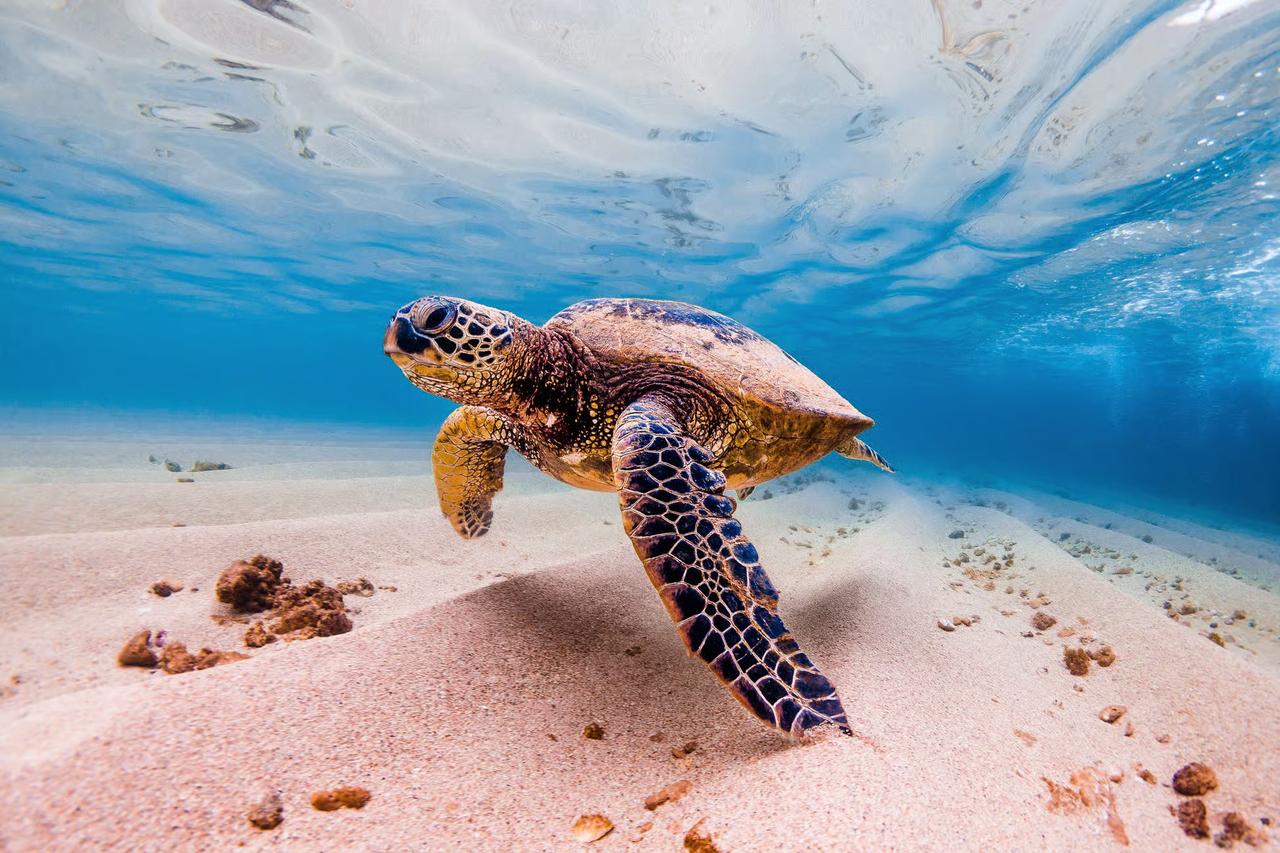
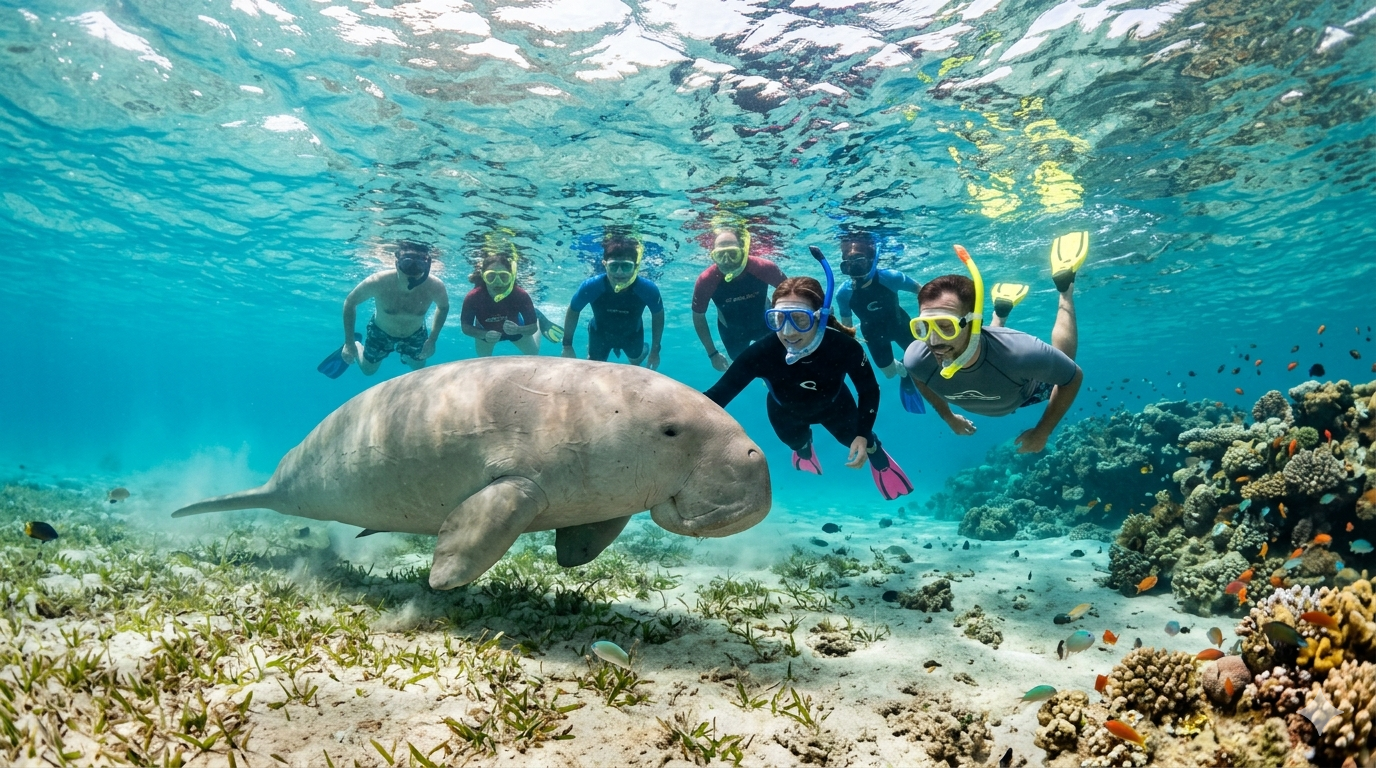
Full-day marine adventure swimming with turtles and dugongs in one of Egypt's most pristine bays
Reserve
4 hr 30 min
Encounter rare dugongs and sea turtles at two pristine Red Sea reef sites with guided snorkeling and lunch
ReservePrices from verified partners. Availability updates in real time at checkout. Free cancellation policies apply where shown.
The landmarks, rooms, and views travelers on this tour remember — all visible on a single visit.
A strictly protected no-entry sanctuary where dolphins rest, play, and nurture their calves in safety. This area is essential for the pod's well-being and is off-limits to all boats and swimmers.
The designated area for swimming and snorkeling, offering calm, shallow, sandy-bottomed waters. Visitors can observe marine life in their natural environment without the use of motorboats.
The outer section of the horseshoe-shaped reef, where depths reach up to 30 meters. This area features caves, pinnacles, and vibrant coral gardens for divers.
Located on the north-west side, this area offers advanced divers a chance to explore dramatic underwater passages and swim-throughs. It is one of the reef's most visually striking features.
These underwater structures are teeming with anemones, clownfish, and various colorful reef species. They provide a great backdrop for observing biodiversity away from the lagoon.
They complement each other; most visitors who do both call dolphin house marsa alam diving tours the more thrilling encounter due to the open-sea spinner dolphin pods, while Marsa Mubarak offers superior chances for reef-dwelling species like the dugong. Whether securing dolphin house marsa alam diving tickets or opting for a protected bay excursion, each location offers distinct encounters with Red Sea marine life.
| Feature | Top pick Shaab Samadai | Marsa Mubarak |
|---|---|---|
Primary Wildlife |
Spinner dolphins | Dugongs and sea turtles |
Visitor Experience |
Pelagic marine encounters | Sheltered lagoon observation |
Zoning/Restrictions |
Strict national park preservation zones | Standard coastal marine area |
Access Difficulty |
Boat travel required | Accessible via shore or boat |
Entrance fee |
19 EUR (summer) | No additional conservation fee required |
Daily activity window |
09:00–14:00 | Flexible daytime access |
| See tickets → |
Verdict: Choose the Shaab Samadai dolphin house marsa alam diving tour for active pelagic interactions, or prioritize Marsa Mubarak for calm, reliable sightings of sea cows and turtles.
Choose your ticket, select your date, and reserve in under two minutes. Secure checkout handled by our verified partner.
Instant confirmation by email, with a mobile voucher you can save offline. No printing, no queuing at a collection desk.
Arrive at the entrance, show your voucher on your phone, and walk in. Most tickets include priority or skip-the-line access.
Practical details for your visit straight from our verified partners — hours, access, rules, and how to get there.
Marsa Alam, Egypt
Pick-up often included from your resort
Most operators provide shuttle service from hotels to the harbor.
Direct taxi service to the marina.
Wear swimwear and bring a rash guard or light wetsuit for sun protection. A life jacket is mandatory for all snorkelers entering the water at Shaab Samadai Reef.
Keep personal belongings minimal. Use waterproof bags for electronics, as deck space on boats is shared and subject to salt spray.
Underwater photography is permitted, but flash usage is strictly prohibited to avoid disturbing the resting dolphins. Maintain distance and let the animals approach you.
Dolphin house marsa alam diving requires moderate physical fitness for boarding boats and snorkeling. Not recommended for those with severe mobility or spinal conditions.
This site is a popular choice for families. Ensure children are comfortable with snorkeling equipment and understand the rules regarding the protected marine life.
Most dolphin house marsa alam diving tours include a buffet lunch and refreshments on board. Hydration is crucial in the summer heat.
Best time to go, insider tips, nearby landmarks, and the cancellation fine print — flip through to skim what matters to you.
How crowds, weather, and events shift across the year.
Peak season with optimal visibility and warmest water temperatures.
Milder temperatures, though dolphin sightings can fluctuate.
Fewer crowds and excellent water clarity for photography.
Cooler water; wetsuits are highly recommended for comfort.
Small details that turn a good visit into a great one.
Always stay with your designated group while in the water. This ensures safety and keeps groups together to minimize noise.
Dolphins rest in the lagoon; never swim toward them or try to corner them. Let them choose to approach your group.
The sun is intense in the Red Sea. Wear a UV-protective shirt even if you are using high-SPF sunscreen.
Non-bookable sights within a short walk — free to visit, easy to pair.
Coastal walkway perfect for evening strolls.
Famous for dugong and turtle sightings.
Remote alternative for advanced diving groups.
Commercial hub with numerous cafes and shops.
Flexible, no hidden fees.
Full refunds are typically available for cancellations made at least 24 hours in advance. Please note that the 19 EUR National Park conservation fee is mandatory per person.
Hand-picked options within walking distance — pick a district for vibe, or a specific hotel for convenience.
High-end stays with easy access to harbors.
Convenient for local shops and transport.
Quiet coastal resorts near nature spots.
Shaab Samadai — known locally as Dolphin House — is a horseshoe reef system lying fourteen nautical miles southeast of Marsa Alam, where resident pods of spinner dolphins have used the shallow lagoon as a resting ground for decades. The reef earned formal protection in 2004 when Egyptian authorities designated it a marine reserve, limiting daily visitor numbers and dividing the site into three zones: a core sanctuary where human entry is prohibited year-round, a buffer area open to swimming and snorkeling under guide supervision, and an outer perimeter for boat anchorage. The zoning system was modeled on Australian marine park protocols and remains one of the Red Sea's strictest conservation frameworks. Dolphin house marsa alam diving expeditions follow a tightly scheduled rotation managed by the Red Sea Protectorates Authority. Boats depart Marsa Alam harbor between seven and nine in the morning, reaching the reef within ninety minutes. Guides brief passengers on approach protocols — no chasing, no flash photography, no touching — before entry into the designated zone. Spinner dolphins rest in the lagoon during daylight hours after nighttime hunting in deeper water; their tolerance of human presence depends on predictable, low-impact behavior from visitors. The buffer zone's coral gardens support green and hawksbill turtles, Napoleon wrasse, and schools of batfish that drift along the reef wall where it drops from three meters to eighteen. The reef's name originates not from tourism marketing but from generations of Ababda fishermen who observed dolphin behavior here long before recreational diving reached southern Egypt. Spinner dolphins — *Stenella longirostris* — perform acrobatic leaps and spins as part of social bonding, a behavior more commonly observed in the early morning hours before the first tour groups arrive. Current regulations cap daily visitors at two hundred and require all boats to anchor at fixed moorings rather than free-drop, protecting the reef from anchor damage that scarred many Red Sea sites in the nineteen-nineties. Accessibility has improved since the Marsa Alam International Airport expansion in 2019, but the site remains less crowded than northern Red Sea destinations. Most dolphin house marsa alam diving tours include lunch aboard, with return to harbor by mid-afternoon. The National Park conservation fee — nineteen euros per person as of 2026 — funds ranger patrols and mooring maintenance. Water clarity peaks between March and November, when visibility regularly exceeds thirty meters and surface temperatures hold between twenty-four and twenty-nine degrees Celsius, warm enough for extended snorkeling in a shorty wetsuit or rash guard.
"Spinner dolphins rest in the lagoon during daylight hours after nighttime hunting in deeper water; their tolerance of human presence depends on predictable, low-impact behavior from visitors."
A step-by-step walkthrough of the visit — what you'll see, how long each stage takes, and the details that matter.
You board at Marsa Alam harbor before eight, the outboard already idling as the crew loads coolers and dive flags. The boat clears the breakwater and turns south, running parallel to the coast until the reef's pale crescent appears against deeper blue. Ninety minutes out, the captain cuts speed and glides toward the mooring buoys. Your guide briefs the group on the buffer zone boundary — marked by surface floats — and demonstrates the neutral finning technique that keeps you horizontal rather than vertical in the water. You slip over the gunwale into water clear enough to see the anchor chain resting on sand six meters below. Within minutes, a pod of eight spinners curves past, close enough to hear their sonar clicks through your snorkel. You hover motionless; the dolphins circle twice before drifting back toward the no-entry zone. The coral shelf runs left in terraces of table and staghorn formations. A hawksbill turtle grazes on sponges wedged into the reef face, ignoring your presence. You follow the reef edge to where it drops steeply, then turn back as the guide signals. Aboard, the crew serves grilled fish and rice while the boat repositions for a second drift along the outer wall, where larger pelagics — trevally and barracuda — patrol the drop-off before the return run to harbor.
The site is open daily from 09:00–15:00 for visitors.
Yes, a 19 EUR National Park conservation fee applies to all visitors.
Yes, families are welcome, provided children are supervised and follow all safety instructions.
Yes, you are welcome to bring your own mask, snorkel, and fins for your experience.
Dolphin activity is best observed between 09:00 and 14:00, especially in the lagoon.
Photography is permitted, but flash is strictly forbidden to protect the dolphins.
Most tours include a buffet lunch and drinks served on board your boat.
The reef is accessed via a 45–60 minute boat trip from the local marina.
Always consult your tour operator and medical professional before booking if you have concerns about the activity levels.